

China to Thailand Shipping Guide: Which Transport Service Fits You Best?
Whether you’re an e-commerce entrepreneur importing accessories, a factory owner sourcing raw materials, or a dropshipper fulfilling daily orders — shipping from China to Thailand is a crucial step in your supply chain. With China as one of Thailand’s top trading partners, logistics options between the two countries are diverse, fast-developing, and increasingly tailored for SMEs and individual importers.
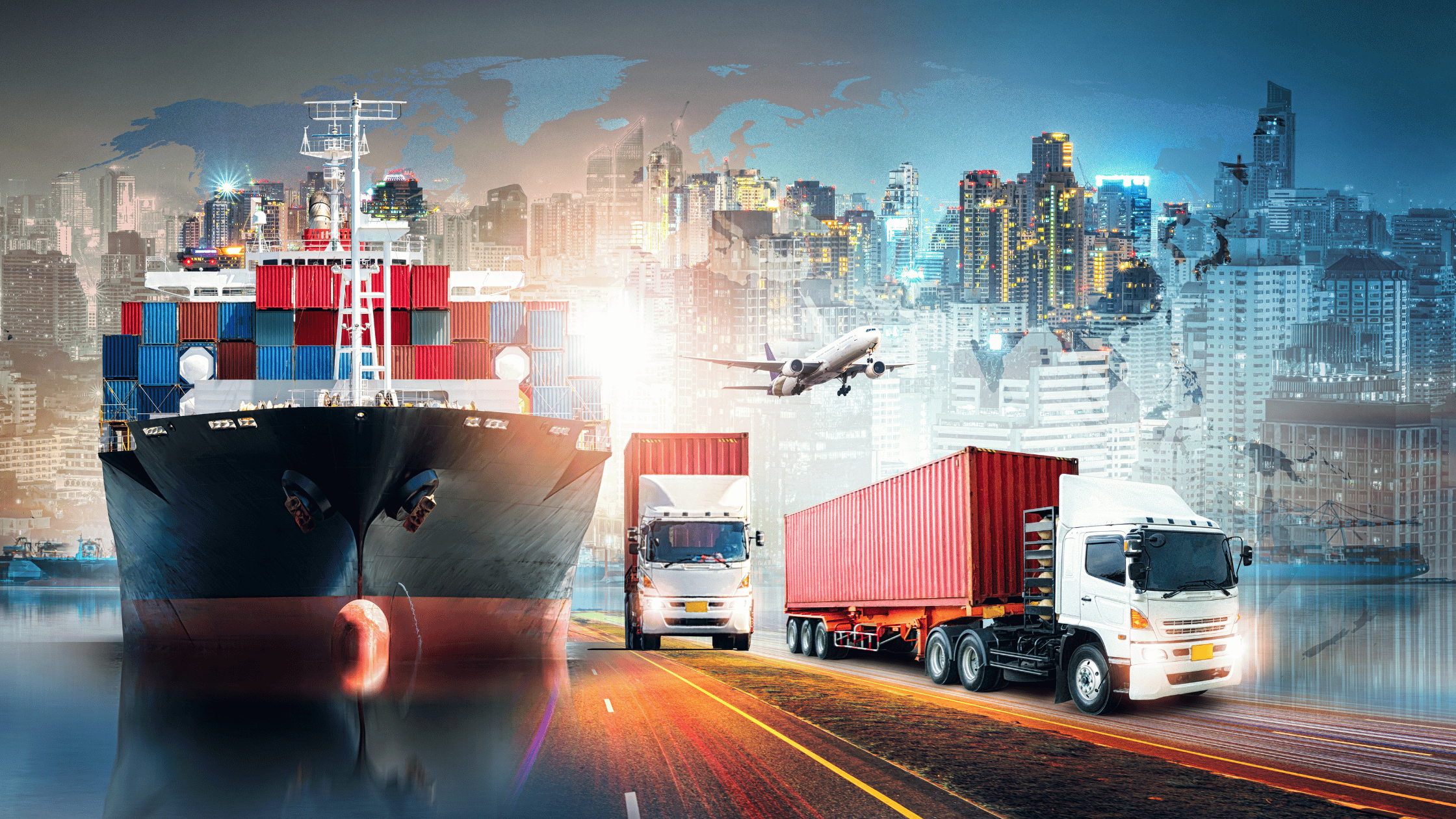
But how do you choose the right transport service? Air freight, sea freight, railway logistics, and cross-border trucking each come with their own pros and cons in terms of cost, speed, reliability, and convenience. This guide breaks down each major shipping method from China to Thailand and helps you identify which option is best for your budget, product type, and timeline.
Understanding Your Options: The Main Transport Channels
Before diving into the specifics, it’s important to understand the four main shipping methods:
- Air Freight: Ideal for speed, lighter goods, and high-value items.
- Sea Freight: Best for bulk cargo, heavy goods, and cost-sensitive shipments.
- Cross-Border Trucking (Land Transport): Great for medium-sized shipments and shorter lead times.
- Rail Freight: Emerging as a balance between cost and speed, especially from Western China.
Each method involves different handling procedures, documentation requirements, and customs clearance processes. Choosing the right one depends on factors such as volume, urgency, cost tolerance, and type of goods.
Air Freight: Fast, Secure, and Premium
When to Use:
- Urgent deliveries
- Perishable items or electronics
- Small-to-medium volumes (typically under 300 kg)
Air freight is the fastest option, with delivery times ranging from 1 to 5 days depending on whether you use direct flights or consolidated services. Major cargo routes operate from airports like Guangzhou (CAN), Shenzhen (SZX), Shanghai (PVG) to Bangkok (BKK) and Don Mueang (DMK).
Pros:
- Speed: Lightning-fast delivery across borders
- Security: Lower risk of damage or theft
- Reliability: Consistent departure and arrival schedules
Cons:
- Cost: Significantly more expensive per kilogram than sea or land
- Volume limitations: Not ideal for bulk or oversized items
Best for: Electronics, medical supplies, seasonal fashion, or when meeting tight delivery deadlines.
Sea Freight: Economical for Large Volumes
When to Use:
- Bulk shipments
- Heavy machinery, furniture, raw materials
- Flexible delivery schedules
Sea freight is by far the most affordable option on a per-unit basis. Transit times vary from 7 to 21 days, depending on port origin (e.g., Shenzhen, Ningbo, Qingdao) and destination port (e.g., Laem Chabang, Bangkok Port).
You can choose between:
- FCL (Full Container Load): For businesses that can fill a 20-foot or 40-foot container.
- LCL (Less than Container Load): For smaller shipments consolidated with others.
Pros:
- Cost-efficient for large and heavy goods
- Suitable for a wide range of products
- Ideal for long-term inventory planning
Cons:
- Slower transit and delays due to weather or port congestion
- More complex paperwork and customs clearance
- Higher risk of container damage for LCL
Best for: Importers with steady inventory needs or non-urgent cargo like home decor, industrial parts, or bulk fashion items.
Cross-Border Trucking: Flexible and Growing Fast
When to Use:
- Mid-sized loads
- Faster than sea, cheaper than air
- From southern China (e.g., Guangzhou, Kunming) to Thailand
Land transport via cross-border trucking has become a popular hybrid solution. Goods are picked up in China and driven across the China–Laos or China–Myanmar border, entering Thailand via customs checkpoints like Mukdahan or Chiang Rai.
Transit time averages 3 to 7 days, making it faster than sea but slower than air — and without the high cost.
Pros:
- Competitive pricing and reliable transit
- Less cargo handling reduces risk of damage
- Good for regional supply chains with flexible delivery points
Cons:
- Limited by road infrastructure or seasonal weather (e.g., rainy season)
- Not ideal for oversized cargo
- May require more coordination with freight forwarders
Best for: Medium-sized businesses shipping frequently, such as online retailers, FMCG distributors, or wholesalers.
Rail Freight: A New Option Gaining Popularity
When to Use:
- Mid- to high-volume goods from Western or Northern China
- Balanced need for speed and cost
Thanks to the China–Laos Railway and the growing Belt and Road Initiative, rail freight has emerged as a viable alternative. Containers travel from cities like Chengdu, Chongqing, and Kunming to Laos, then transfer via truck into Thailand.
Transit takes 7 to 12 days, and while it’s not yet as widely used as sea or air, the infrastructure is improving fast.
Pros:
- Faster than sea freight
- Cheaper than air freight
- Growing network supports more route options
Cons:
- May involve multimodal handling (rail + truck)
- Limited rail terminals and availability
- Still developing customs support for SMEs
Best for: Mid-sized manufacturers or wholesalers with steady import volumes and warehousing capabilities.
Freight Forwarder or Direct Booking?
Once you choose a method, you have two options:
- Book directly with carriers (suitable for larger companies or if you have in-house logistics).
- Use a freight forwarder who handles documentation, customs, and end-to-end delivery.
Forwarders like Sino Shipping, FNM Freight, or local Thai logistics brokers offer door-to-door pricing, customs clearance, and sometimes even warehousing and last-mile services in Thailand.
Working with a forwarder reduces complexity, especially for first-time importers.
Key Tips to Choose the Right Service
- Know Your Product: Fragile, valuable, or time-sensitive items often benefit from air or land.
- Calculate Your Cost Per KG/CBM: Include shipping, taxes, insurance, and customs fees.
- Ask About Incoterms: DDP (Delivered Duty Paid) or FOB (Free on Board) impacts your responsibilities.
- Watch Customs Compliance: Thailand customs can be strict — proper HS codes and documentation are critical.
- Use Tracking Tools: Reputable providers offer real-time tracking for both air and sea cargo.
Conclusion: Match Your Strategy to the Right Shipping Method
There is no one-size-fits-all answer for China-to-Thailand shipping — your ideal transport service depends on your business size, product type, and urgency. Air freight wins for speed, sea freight rules on cost, cross-border trucking strikes a great balance, and rail freight is an emerging option worth watching.
Take time to evaluate your needs and work with trusted logistics partners who can advise you on shipping strategy, customs risks, and cost optimisation. The right choice won’t just get your goods from point A to B — it will support smoother operations, better cash flow, and happier customers.