


How to Choose the Right Cleaning Machine for Your Space and Budget
Whether you’re managing a household, maintaining a commercial building, or operating an industrial facility, one thing remains true — cleanliness matters. However, not every cleaning task requires the same tool, and not all cleaning machines are created equal. With a growing variety of vacuum cleaners, floor scrubbers, steamers, pressure washers, and robotic tools on the market, choosing the right cleaning machine can feel overwhelming.
That’s where this guide comes in. We’ll break down how to select the most suitable cleaning equipment based on your space, surface types, cleaning frequency, and budget, so you can invest wisely and clean efficiently.
Know Your Cleaning Needs: Space, Frequency, and Soil Type
Before browsing machines or comparing brands, start by assessing what you need to clean. The type and frequency of cleaning directly determine which machine will serve you best.
Consider These Factors:
- Size of the space: A compact apartment, a mid-sized office, and a factory floor all need vastly different machines.
- Types of surfaces: Hardwood, tile, carpet, concrete, or industrial flooring? Each needs specific treatment.
- Level of dirt: Is it light dust, heavy grime, spilled liquids, or oil and grease?
- Cleaning frequency: Daily cleaning versus occasional deep cleans may affect motor size, durability, and tank capacity.
A cleaning machine that’s perfect for a hotel hallway may be inefficient or overkill for a small coffee shop.
Types of Cleaning Machines and Their Uses
Let’s explore the most common cleaning machines by category and when they’re most appropriate.
1. Vacuum Cleaners
Best for: Homes, offices, hotels, retail spaces
Vacuum cleaners are the most versatile cleaning machines. Choose based on:
- Upright or canister: Uprights are great for carpeted areas, while canisters offer flexibility for hard-to-reach spots.
- Bagged or bagless: Bagged models are better for allergy sufferers.
- HEPA filters: Ideal for environments requiring air purification.
For commercial use, consider backpack vacuums or wide-area vacuums for large carpeted spaces.
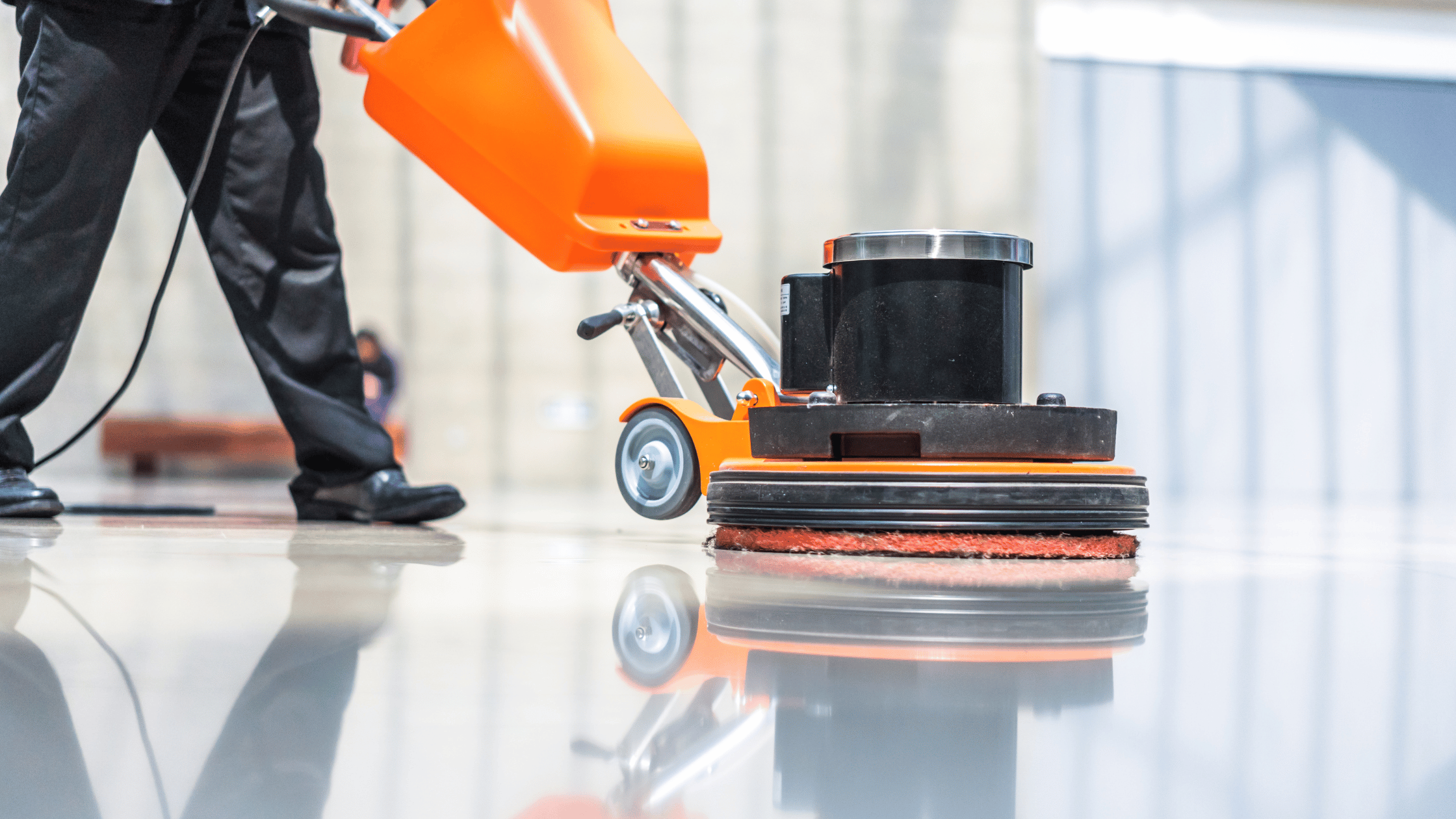
2. Floor Scrubbers and Polishers
Best for: Schools, malls, hospitals, warehouses
These machines clean and polish large floor areas with minimal effort. There are three main types:
- Walk-behind scrubbers for smaller or medium-sized facilities
- Ride-on scrubbers for very large open areas
- Rotary polishers to buff and shine hard surfaces
Modern machines often come with solution tanks, squeegees, and vacuum systems that leave floors clean and dry.
3. Steam Cleaners
Best for: Kitchens, bathrooms, restaurants, and healthcare facilities
Steam cleaners use high-temperature steam to disinfect without chemicals, making them ideal for sensitive environments. They’re effective against:
- Grease on kitchen equipment
- Mold in grout lines
- Germs on high-touch surfaces
Choose handheld steamers for small jobs and canister versions for deep cleans in larger areas.
4. Pressure Washers
Best for: Driveways, outdoor furniture, parking lots, facades
Pressure washers blast away dirt using high-pressure water and are excellent for outdoor use. Choose:
- Electric models for home use
- Gas-powered models for commercial or industrial use
Look for adjustable PSI (pounds per square inch) settings to handle different surface sensitivities.
5. Robotic Cleaners
Best for: Smart homes, small offices, hotels
Robotic vacuum and mop hybrids are perfect for low-maintenance, daily cleaning in small to mid-sized environments. They’re best used to supplement manual cleaning — not replace it entirely.
Match Features to Your Space: What to Look for
Once you know what category you need, focus on key features that determine functionality and convenience.
A. Corded vs. Cordless
- Corded machines offer consistent power and are suited for long cleaning sessions.
- Cordless machines give freedom of movement, ideal for homes or spaces with limited outlets.
B. Tank Capacity
For scrubbers, polishers, or extractors, the tank size impacts how often you’ll need to refill or empty the unit.
- Small tanks (less than 10L) = good for homes or small shops
- Large tanks (20L+) = ideal for commercial facilities
C. Noise Levels
Check decibel ratings if you’ll be cleaning in hospitals, schools, or offices during business hours. Quiet machines (below 60 dB) are better for occupied environments.
D. Weight and Maneuverability
- Lightweight machines (under 10 kg) are suitable for domestic use.
- Commercial-grade machines may be heavier but have wheels, handles, and ergonomic designs to compensate.
E. Attachments and Accessories
Some models come with extras like:
- Upholstery tools
- Extension wands
- Dual-mode wet/dry capabilities
Choose machines that can adapt to multiple cleaning scenarios.
Balancing Budget and Long-Term Value
Your budget will heavily influence your choice, but don’t just go for the cheapest model. Instead, assess value over time:
Set a Budget Category:
- Economy (< $200): Ideal for personal/home use or light cleaning
- Mid-Range ($200–$800): Good for small businesses or frequent use
- Commercial Grade ($800–$3,000): Designed for durability and large-scale jobs
- Industrial Grade ($3,000+): For warehouses, factories, and airports
Consider:
- Warranty and support: Reliable brands offer longer warranties and access to spare parts.
- Maintenance costs: Can filters, brushes, or parts be replaced affordably?
- Energy efficiency: Lower operating costs in the long run
Remember: An upfront investment in a durable, high-efficiency model often pays off in fewer repairs and better performance.
Trusted Brands to Explore
Depending on your needs, some popular and reliable brands include:
- Home/Light Commercial: Dyson, Philips, Karcher, iRobot
- Professional/Commercial: Tennant, Nilfisk, Taski, Numatic
- Industrial Use: Hako, IPC, Comac, Lavor
Look for local dealers who provide maintenance services and after-sales support.
Bonus Tips Before You Buy
- Request a demo: Many vendors offer trials or in-store demos.
- Read reviews: Focus on durability, service, and performance under real use cases.
- Check for government or business subsidies if purchasing for sustainability or sanitation projects.
- Buy or lease? Some suppliers offer rental programs — useful for short-term or seasonal needs.
Conclusion: Clean Smarter, Not Harder
Choosing the right cleaning machine is not just about buying a tool — it’s about investing in productivity, hygiene, and long-term cost efficiency. When you align your purchase with the size of your space, type of surface, usage frequency, and available budget, you get more than a clean floor — you get peace of mind.
Take time to evaluate your needs, compare models, and seek advice from professional suppliers. Whether you’re managing a condo, a hotel, or a manufacturing plant, there’s a perfect cleaning solution out there that fits your workflow — and your wallet.